Packing kelims

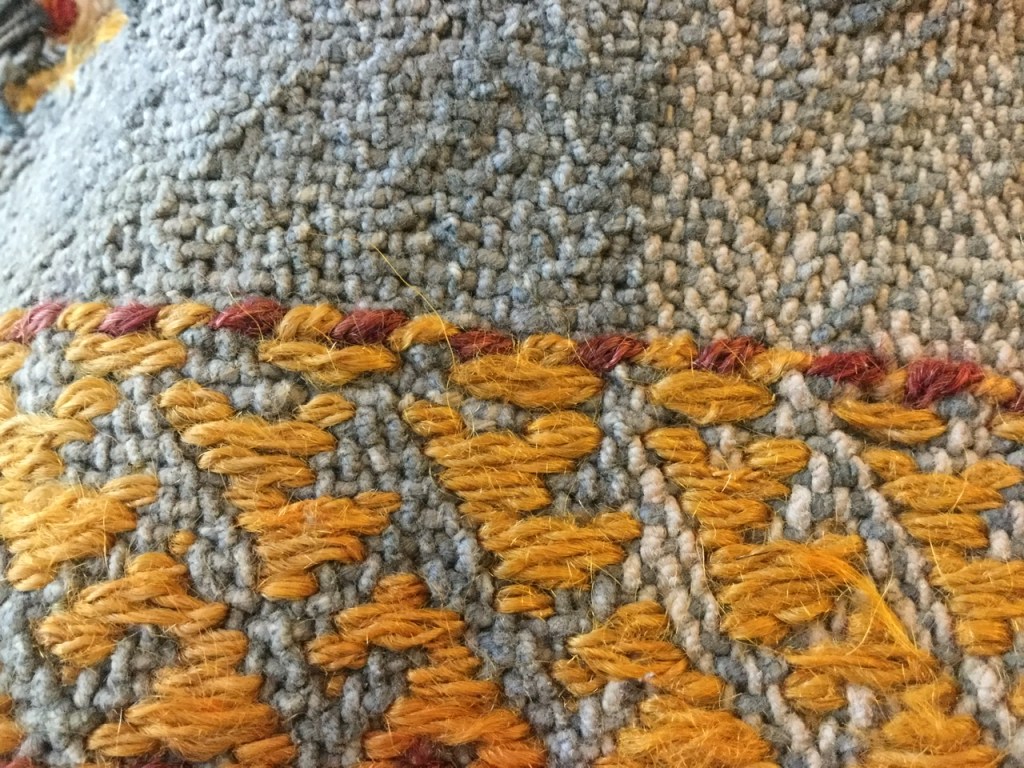
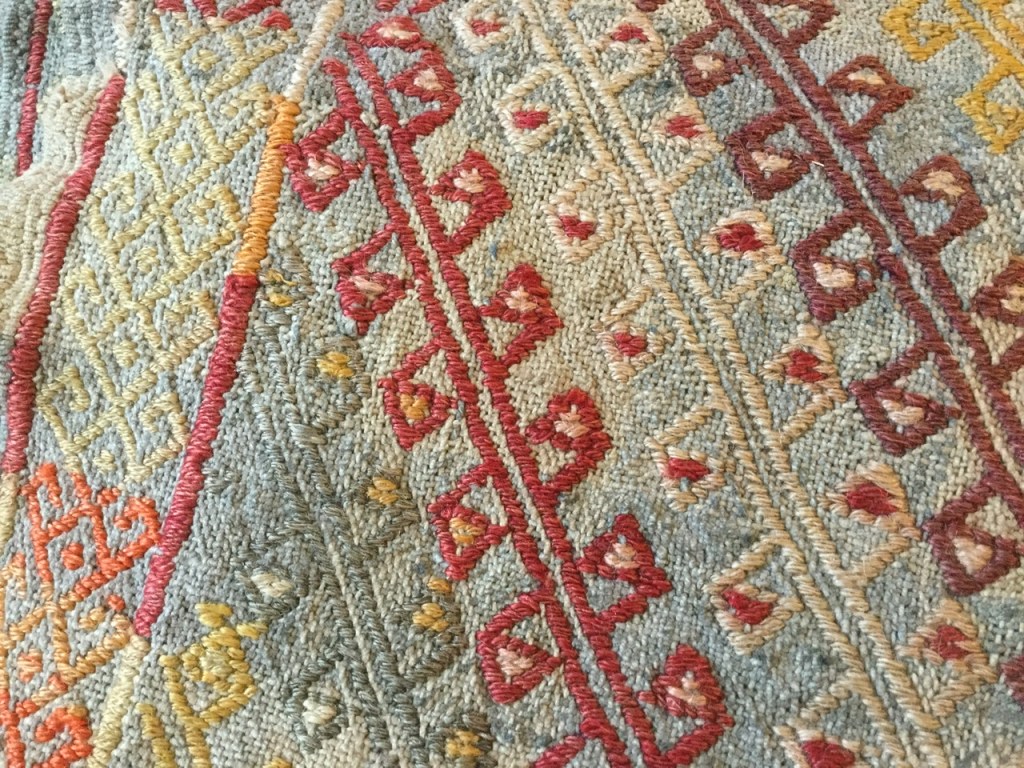
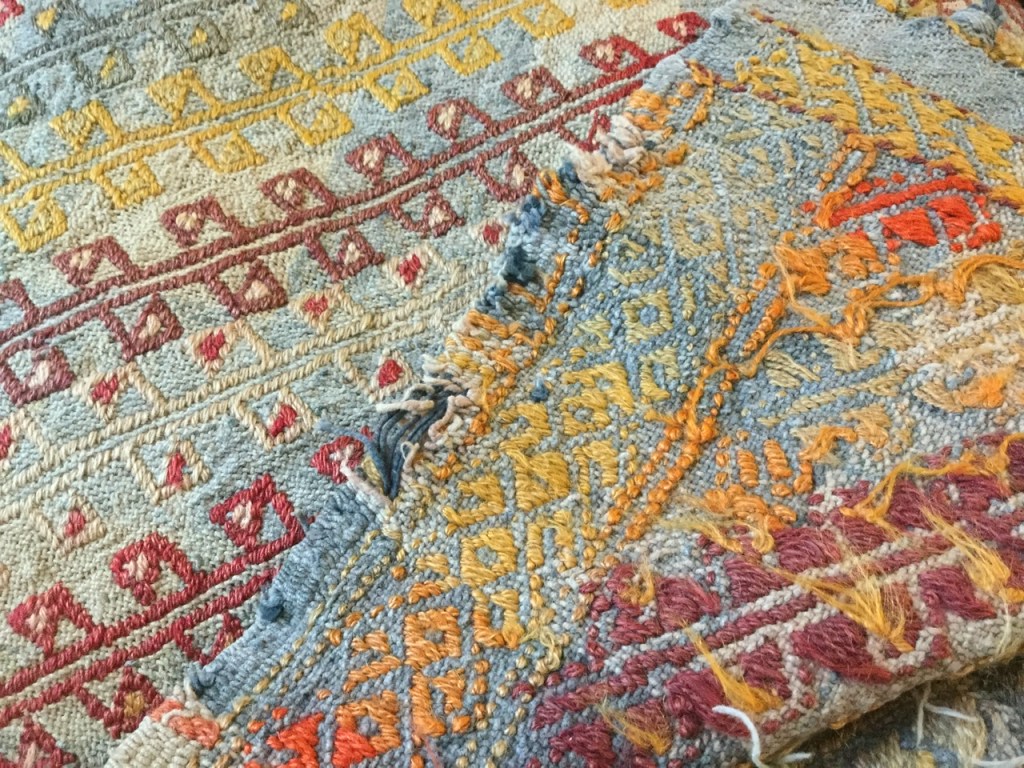
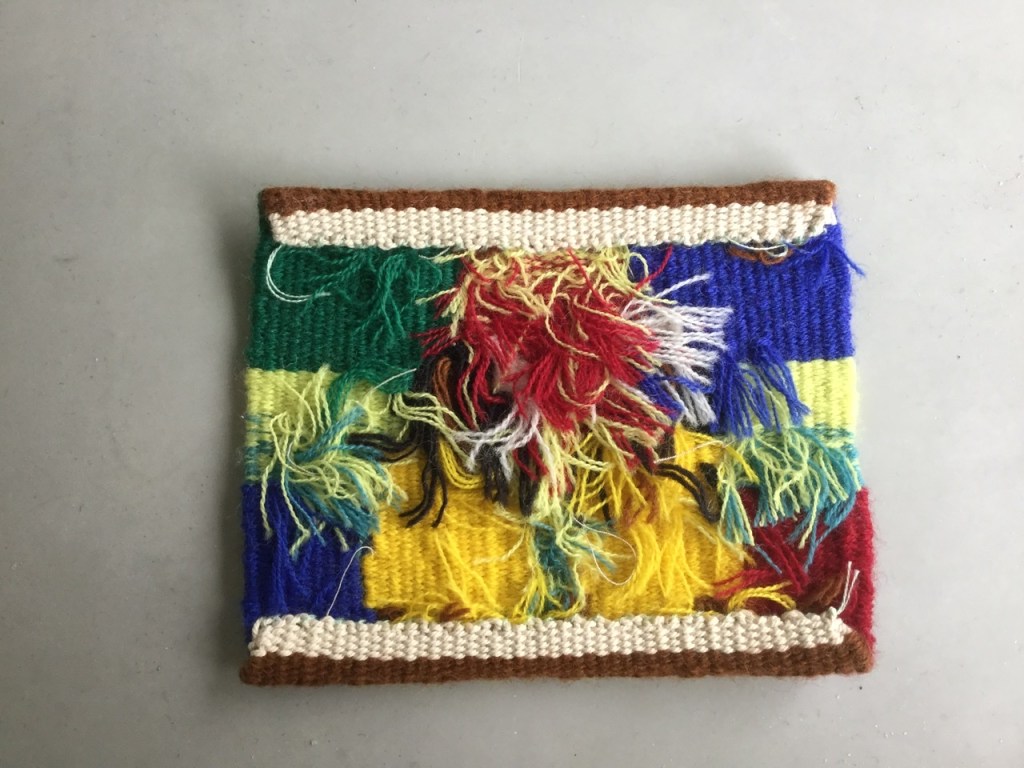
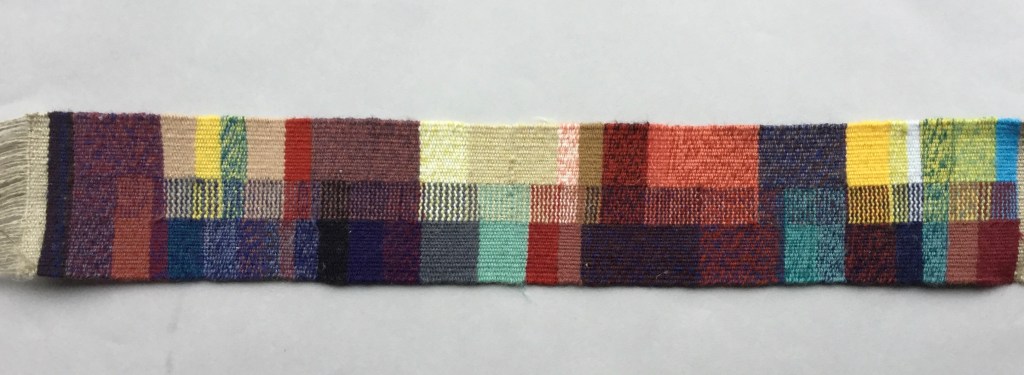
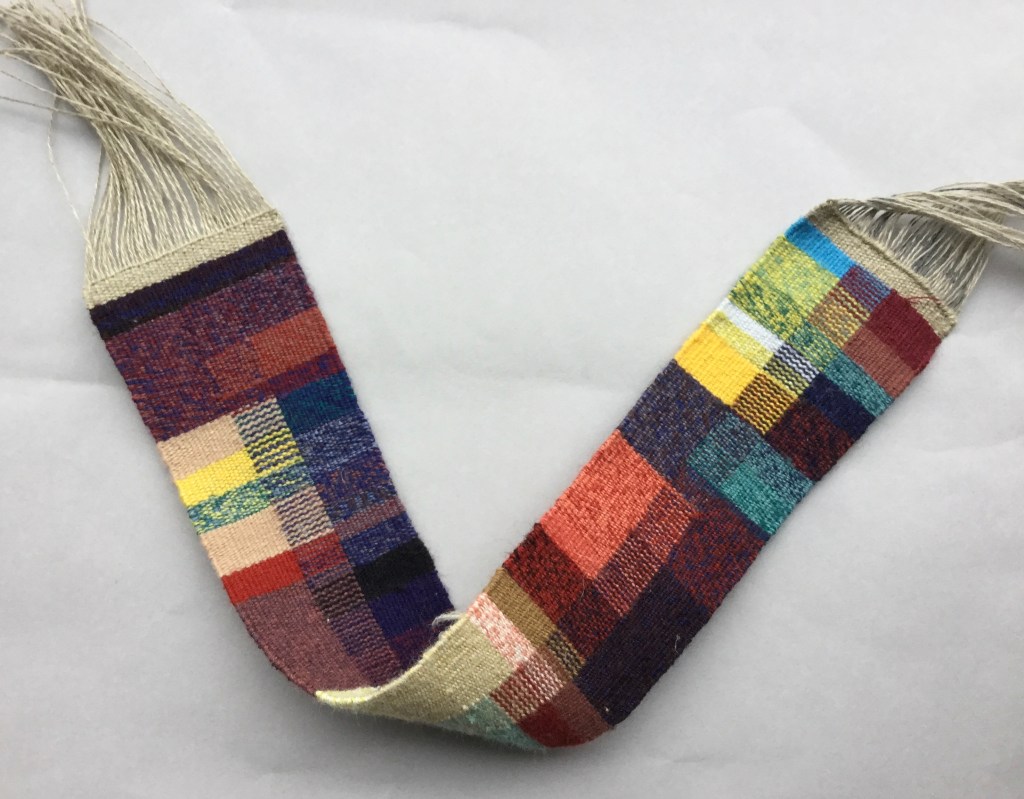
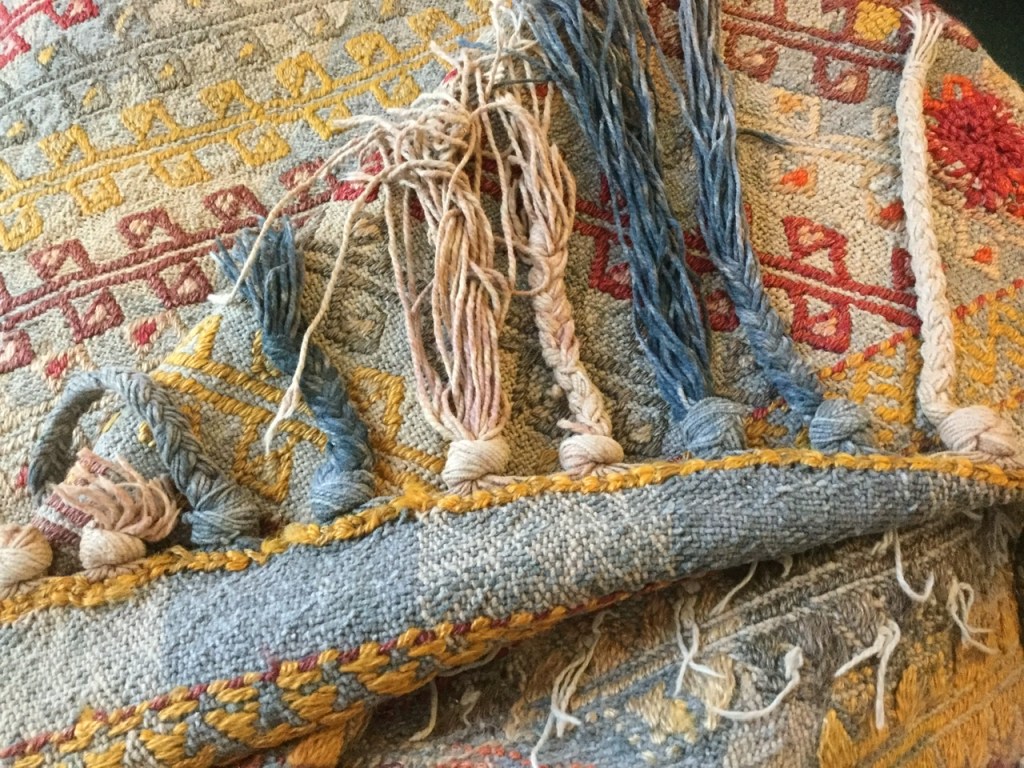
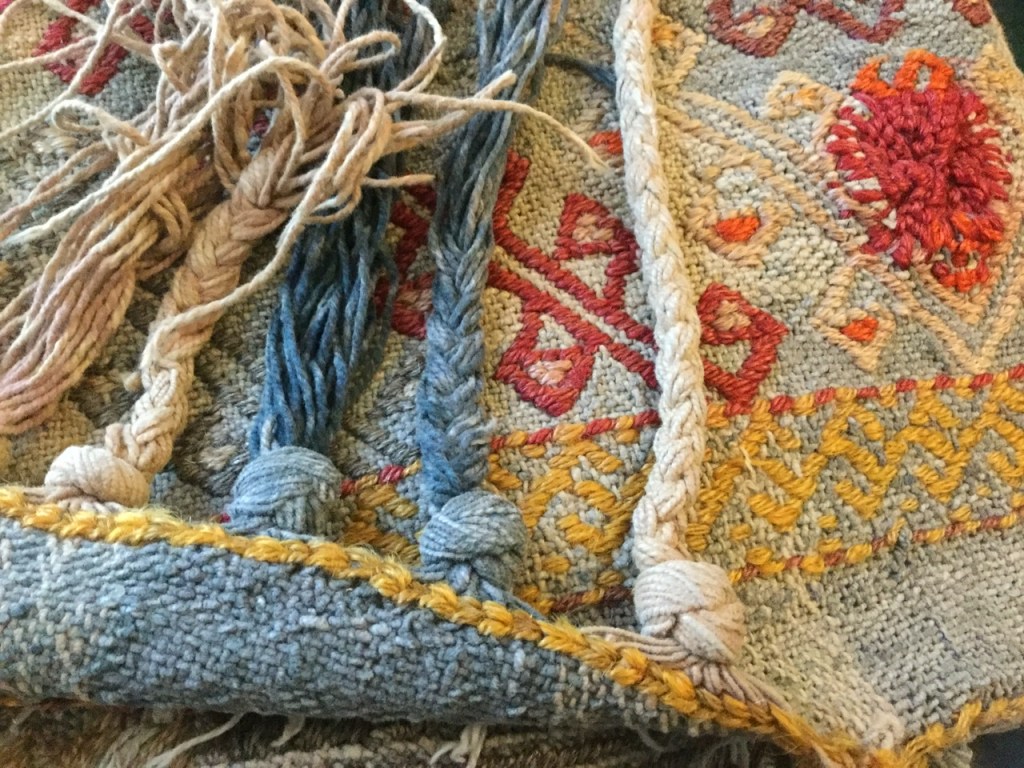
I’m moving in a few months, and beginning to pack. It allows me to have a look at some of my kelims that aren’t on display. I don’t particularly the design and colors of this one, but I’m fascinated by the weaving and the knots. It may be 60 to 100 years old, I believe from Turkey.

Je déménage dans quelques mois, et je commence empaqueter. Je redécouvre ceux de mes kilims confinés dans une boîte. Je n’adore ni les motifs ni les couleurs de celui-ci, mais je reste fascinée par le tissage et le tressage. Je pense qu’il vient de Turquie, il a entre 60 et 100 ans à mon avis.
Jon’s doodles

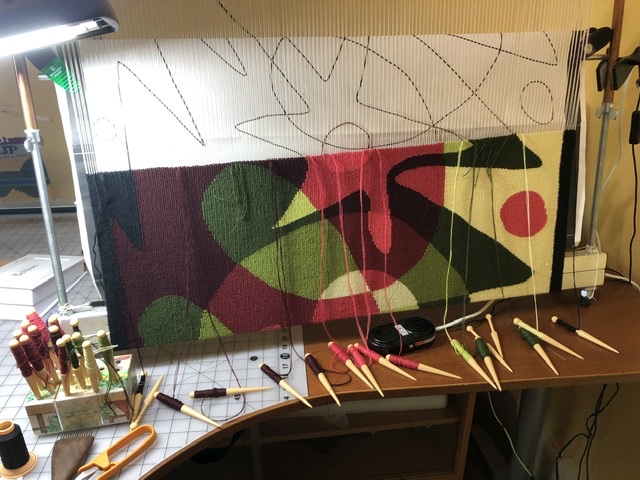
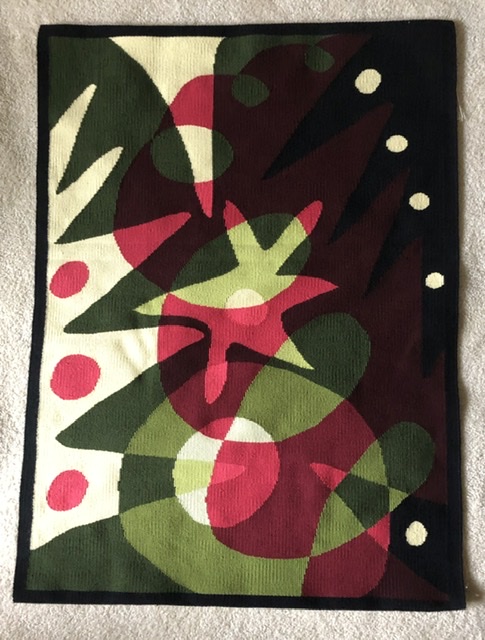
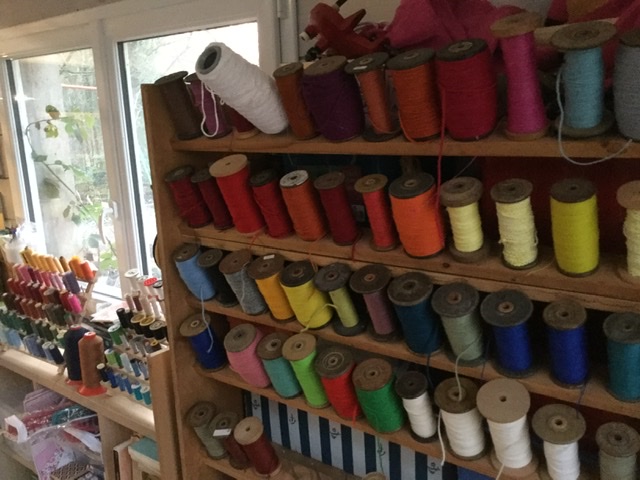
My friend Jon is like me a new tapestry weaver. He’s also a painter, and likes to draw colorful doodles. From one of them, he wove his first big tapestry, on a Zeus Mirrix loom. As he also was a scientist in a previous life, look at how cleverly he stored his bobbins.

Jon, mon mai américain, est comme moi un nouveau passionné de tapisserie. Comme il est aussi peintre et qu’il adore dessiner des crobards pleins de couleurs, il s’est servi de l’un d’entre eux comme carton. En bon scientifique, il a trouvé une solution pratique pour ranger ses bobines.

Challenges

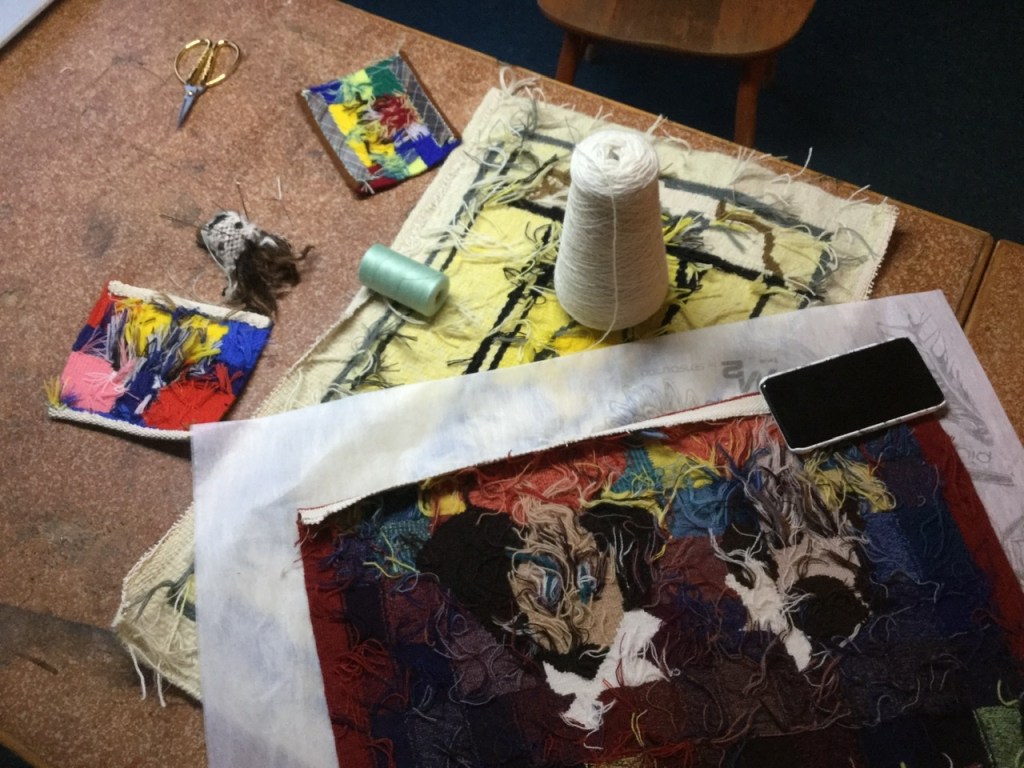
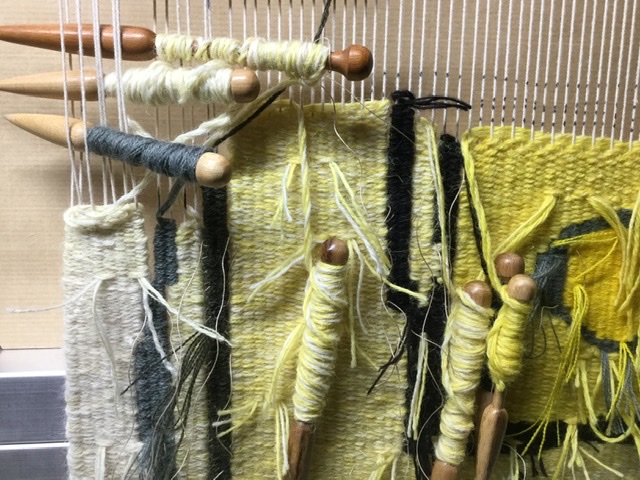
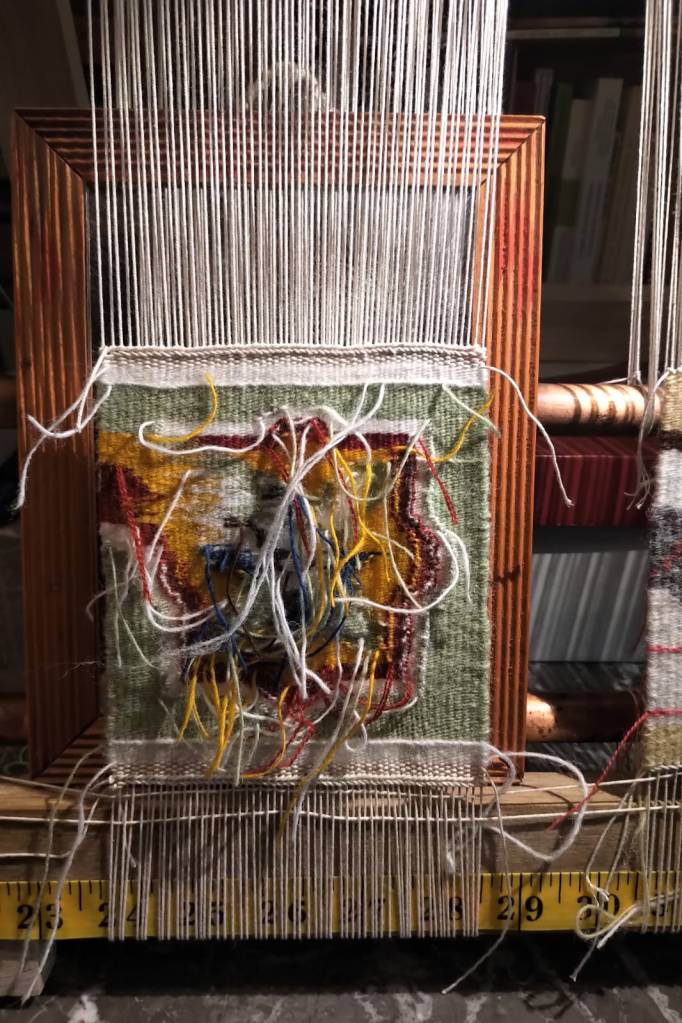
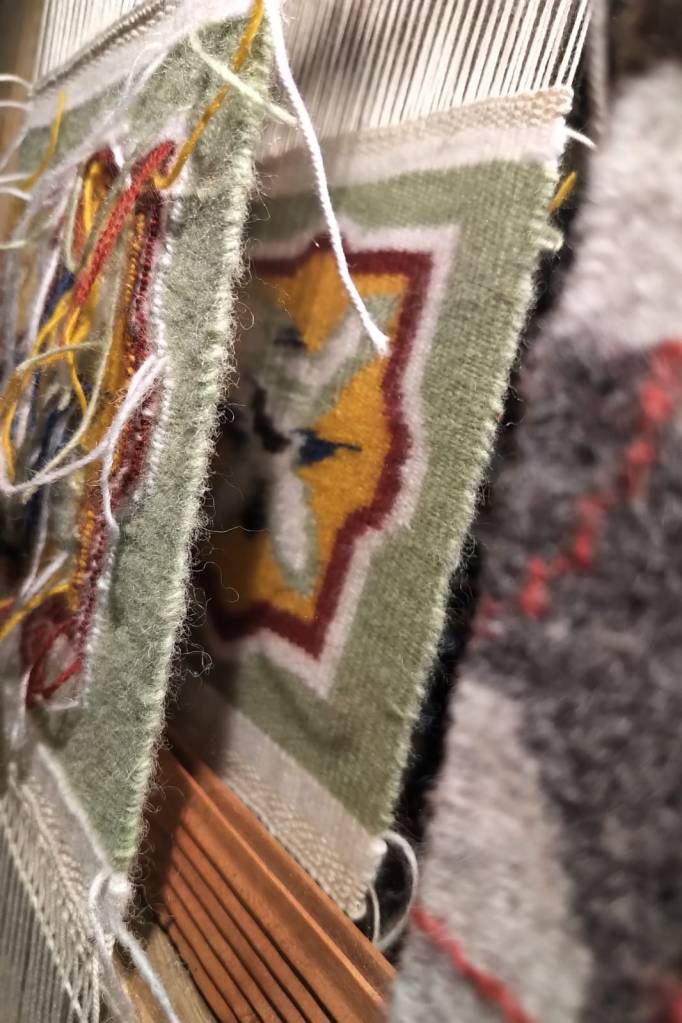
In the piece I’m weaving, The Yellow lady, there’s a lot of vertical lines. This time I didn’t go for joints and interlocks, I decided to weave the slits as I was weaving, with a linen thread joining the warp. You can see the threads hanging everywhere. It means that I have to be very careful of not drawing in or out, and in sewing the slits in the front. I hope it will work, I can’t see the front very well with my Mirrix.

Dans ma tapisserie en cours, ma Yellow lady, il y a beaucoup de lignes verticales. J’ai décidé de ne pas faire de liures, mais de coudre les morceaux bord à bord, avec un fil de lin qui passe sur la chaine. Il se voit qui pendouille sur les photos. Ça oblige à tisser super droit, j’ai dû quelquefois défaire et recommencer. J’espère que ça donnera ce que je veux sur l’endroit, j’ai du mal à voir avec le Mirrix.

Tapestry workshop

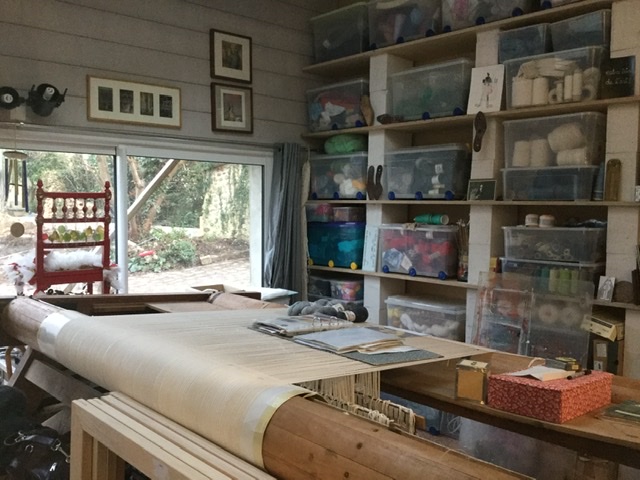
I spent the weekend weaving with Laurence, in her studio in Saint-Thibault-les-vignes, 30kms from Paris. Laurence was trained in Aubusson, worked in studios in Angers, and is a skilled tapestry weaver. The weekend was great, I learned a lot, and I’m ready to use these new skills in my next tapestries. Facebook: association exprime 77
Laurence, formée à Aubusson, a été mon prof ce week-end, et j’ai appris un paquet de choses, que ce soit sur des points de tissages ou comment ourdir la chaîne de mon métier Gobelin. Claquée mais contente. Facebook: association exprime 77
Tapestry books in French!

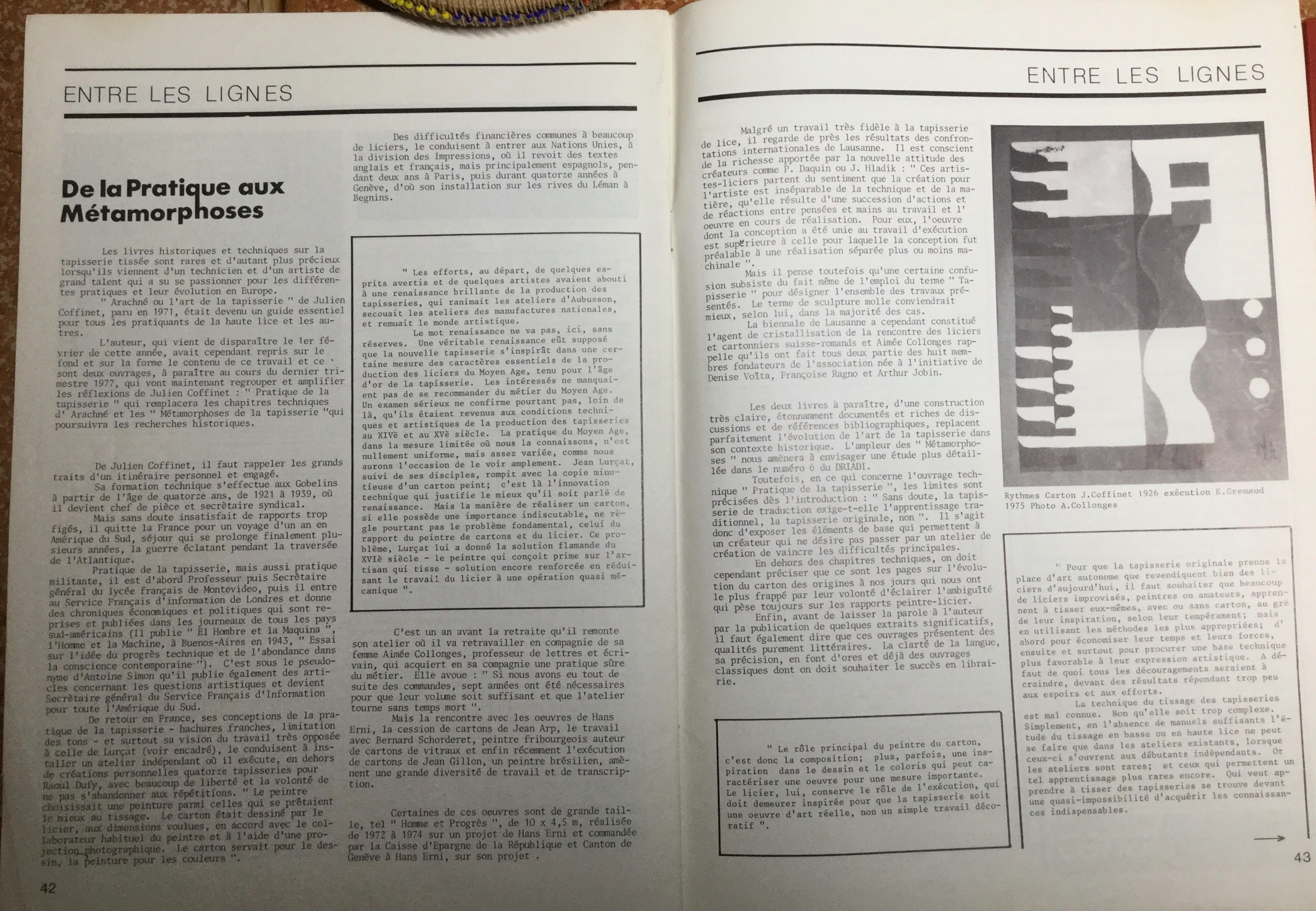
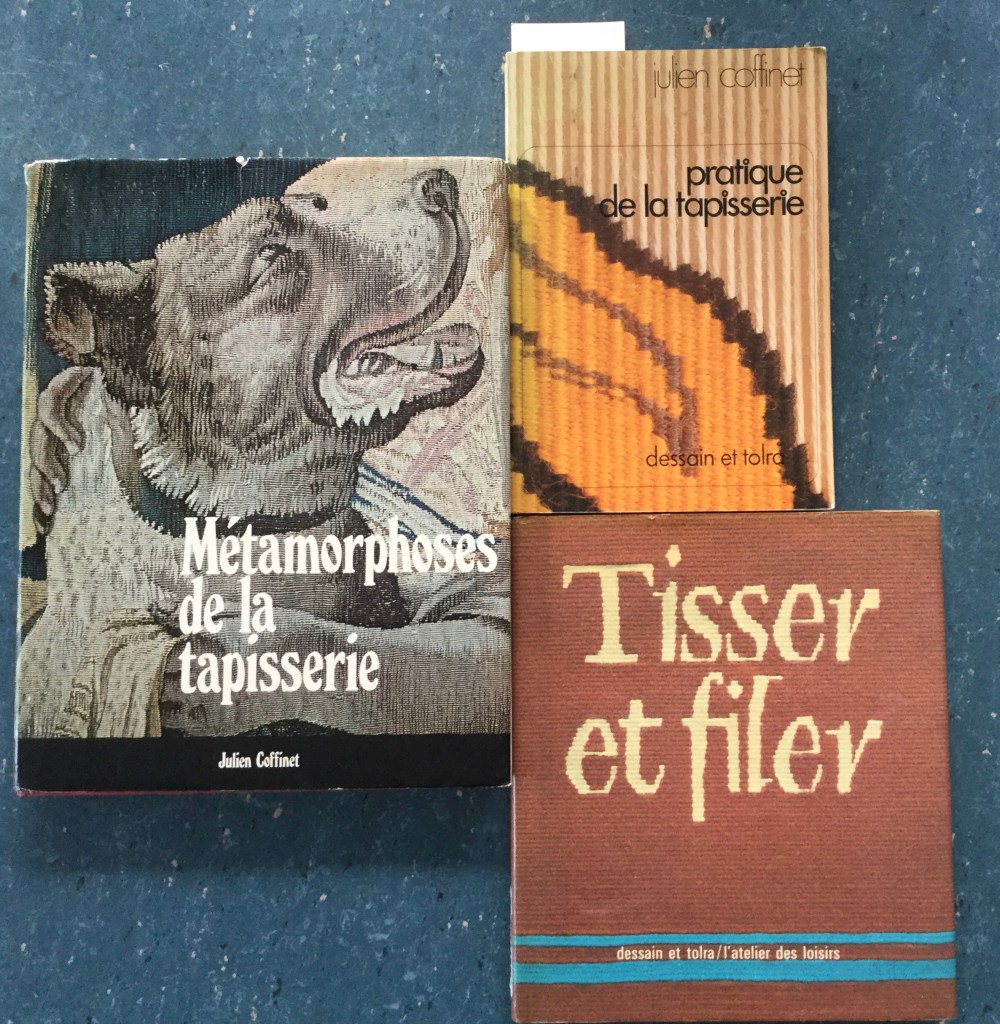
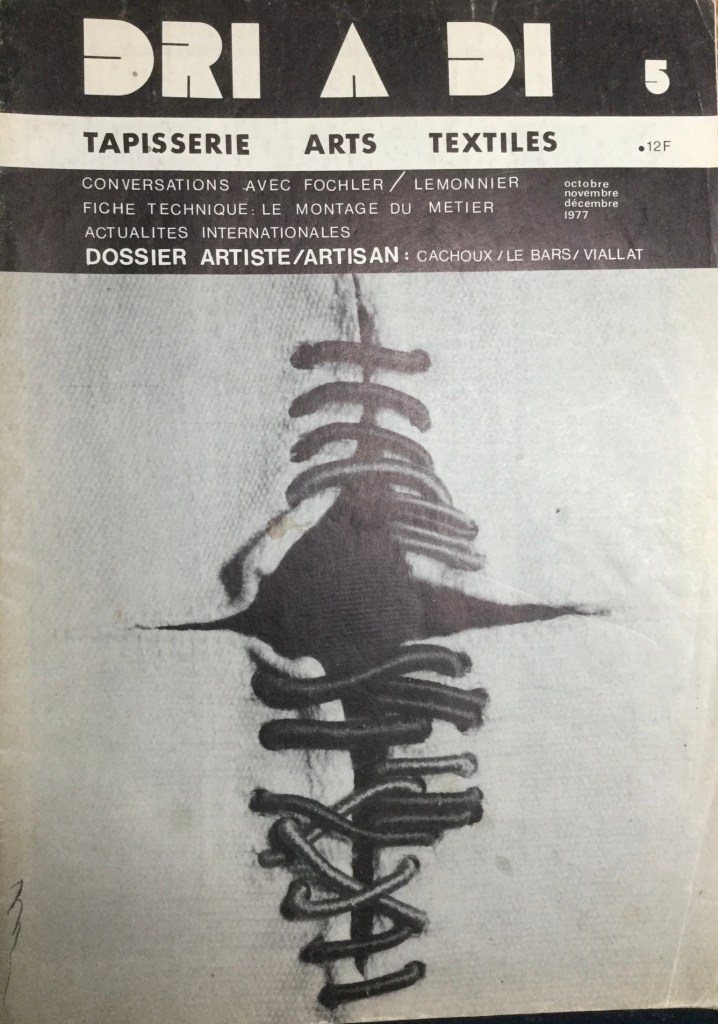
I thought I’d never find tapestry books in French, I mean books about tapestry technics, because you can find a lot about tapestry history. And at last, I found three of them, they are 45 years old. Two of them were written by a traditionally trained Gobelins weaver, Julien Coffinet. You can read his biography from a vintage French magazine named Dri a di.

Enfin! J’ai enfin trouvé des bouquins sur les techniques de la tapisserie en français! Ils datent des années 70, et deux d’entre eux furent écrits par Julien Coffinet, dont vous pourrez lire la bio, extraite d’une revue d’arts textiles de l’époque , Dri a di.

Three generations

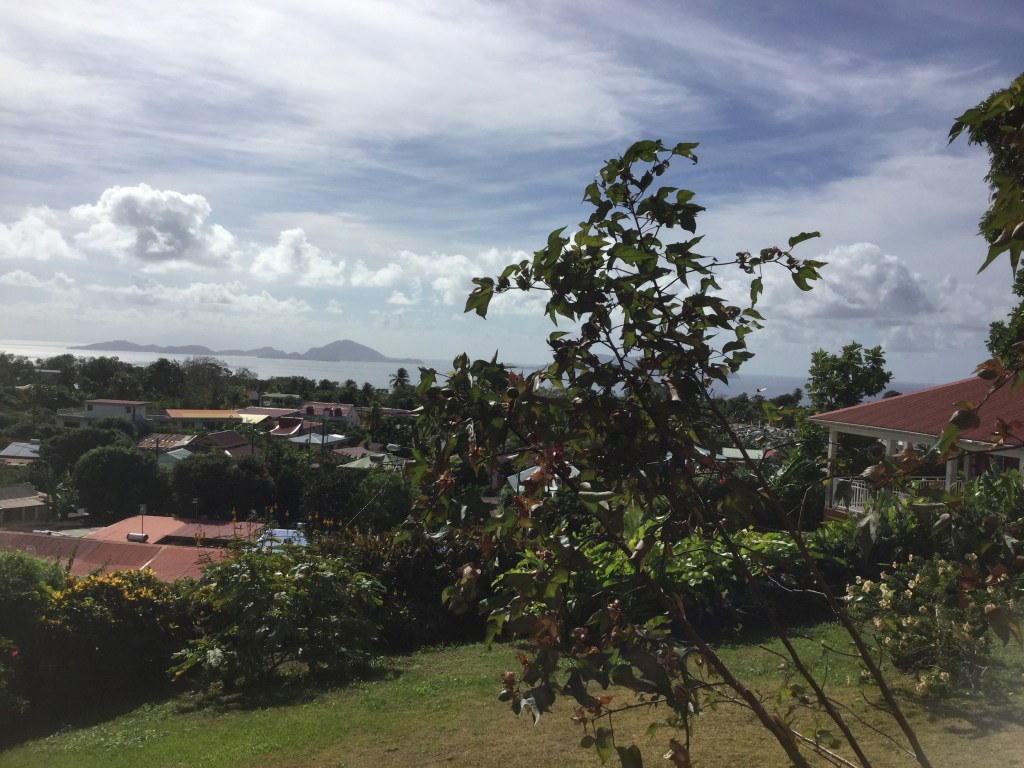
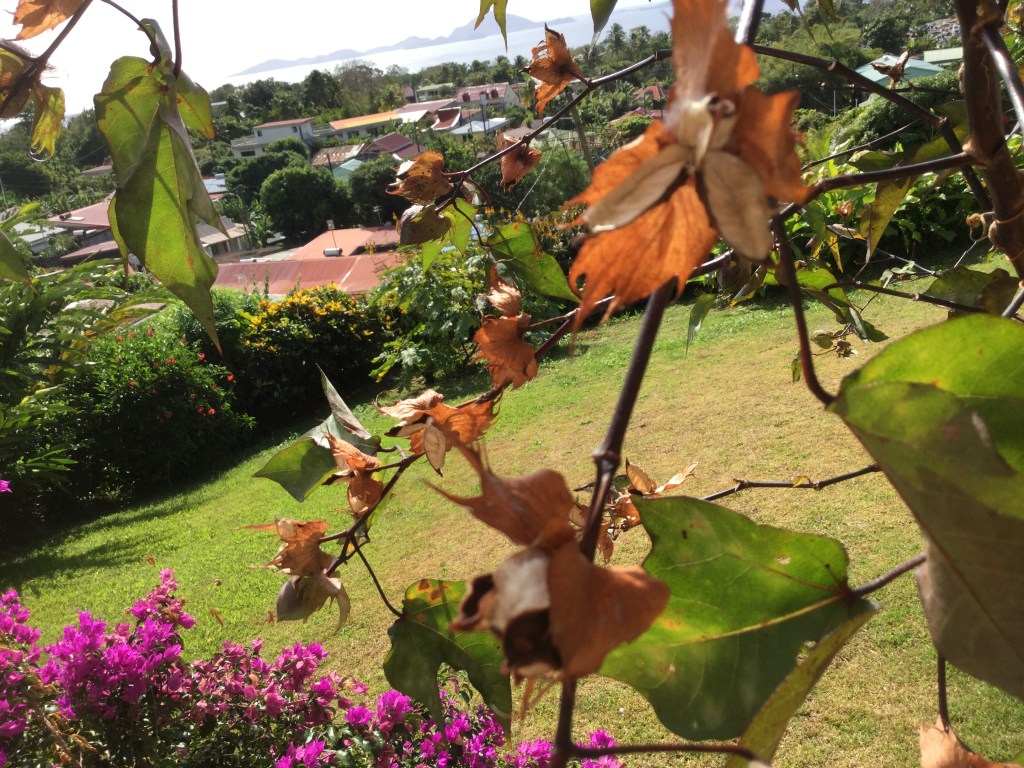
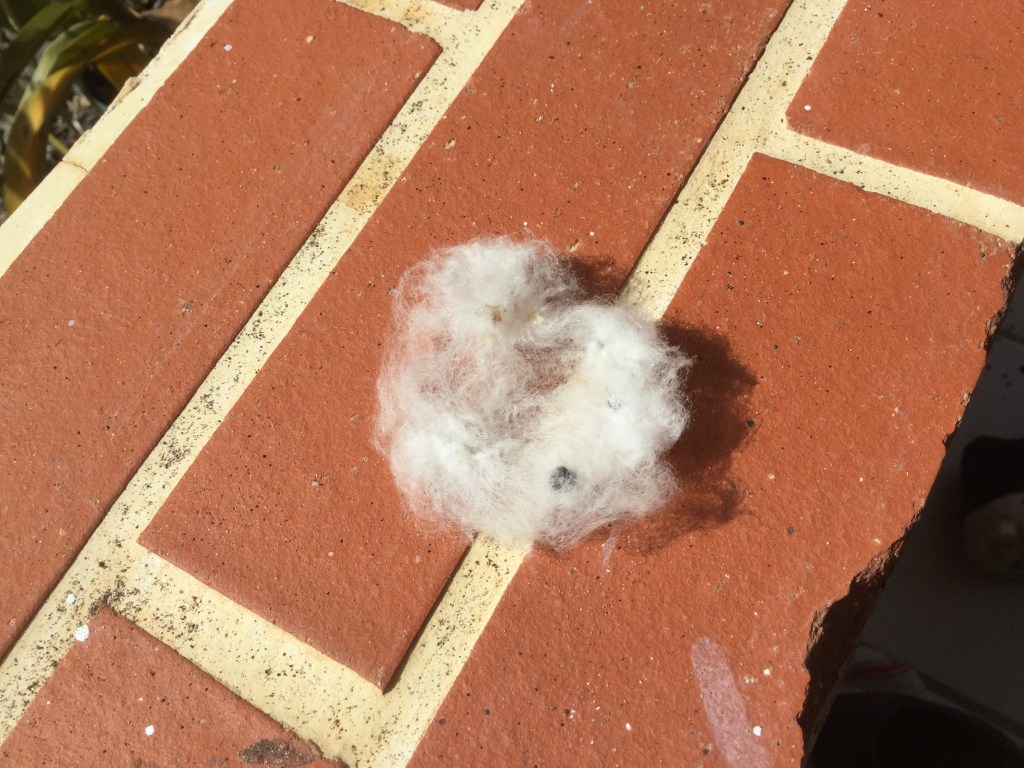
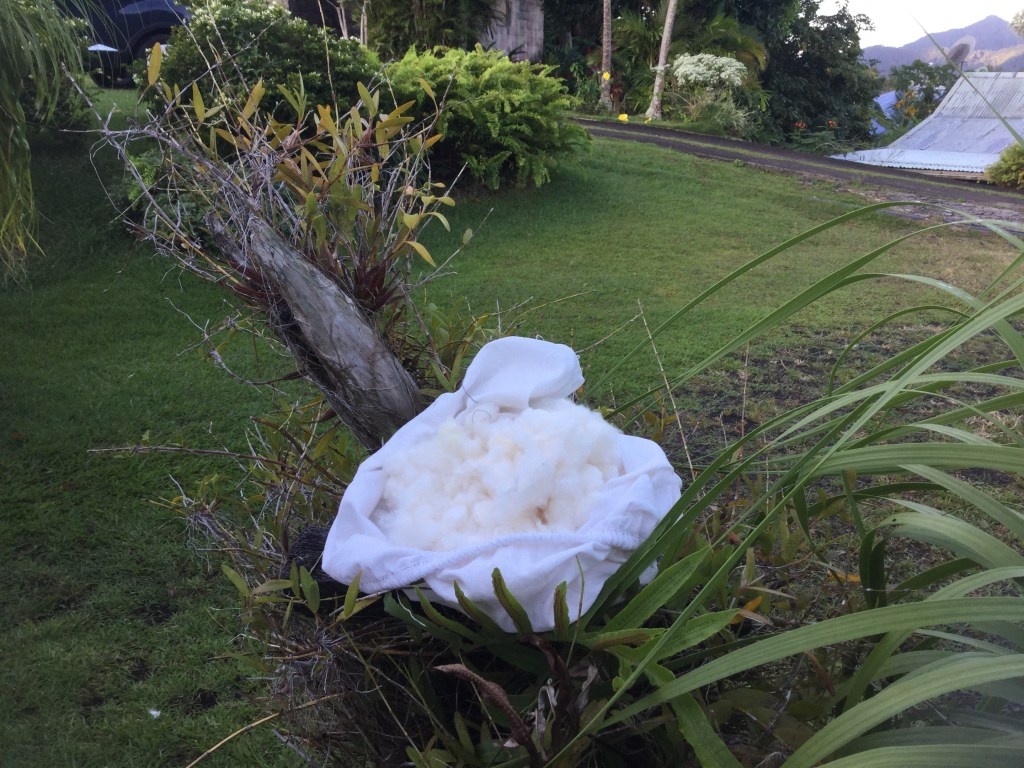
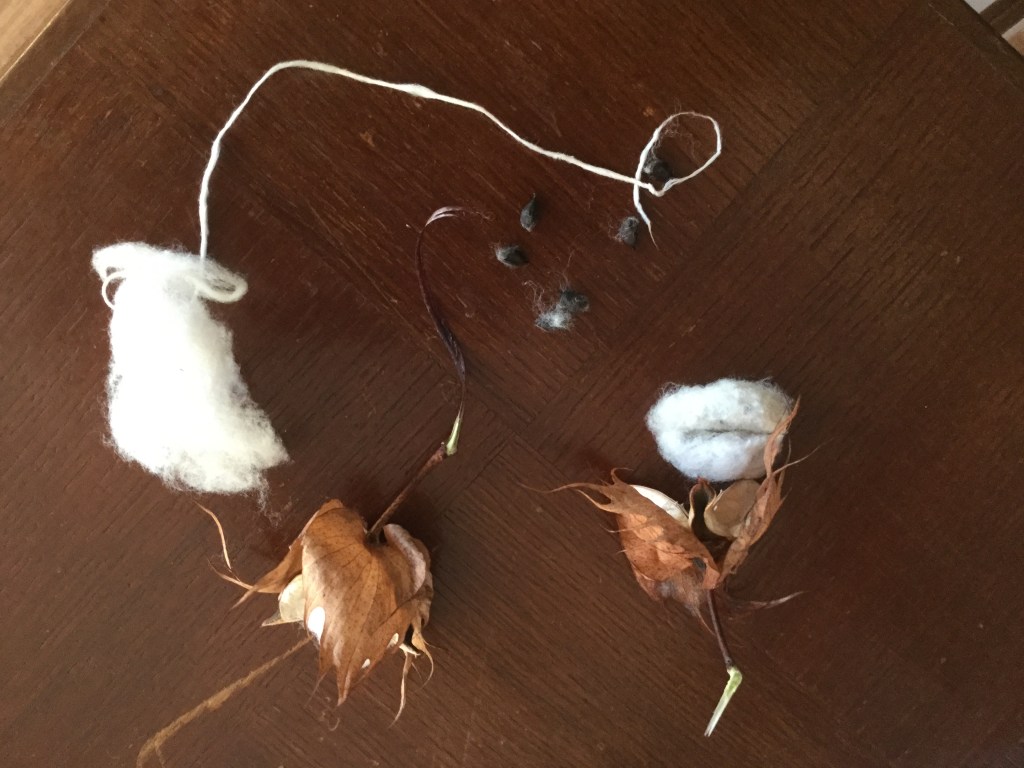
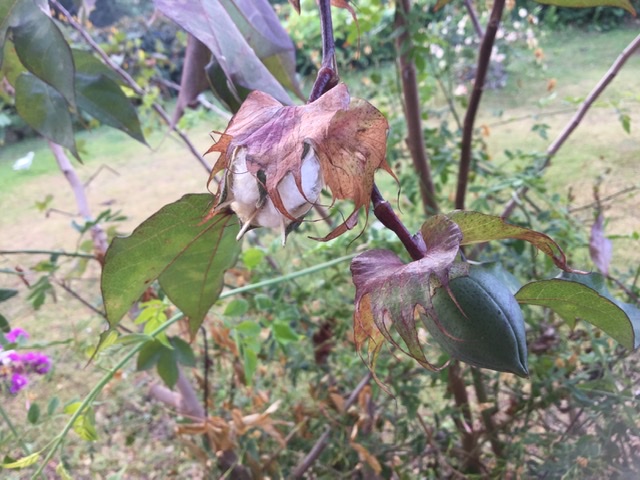
I spent this winter break in the Caribbeans, in Guadeloupe, my family homeland. The three of us, my mother, my daughter and me, spent hours ginning cotton. Two tall wild cotton trees are growing on my brother’s property. I harvested all the cotton linters I could, and we worked at it, listening to my mother’s souvenirs.

Continue reading “Three generations”

Celina’s work

I’m a little behind, but I finally succeeded in posting this week!

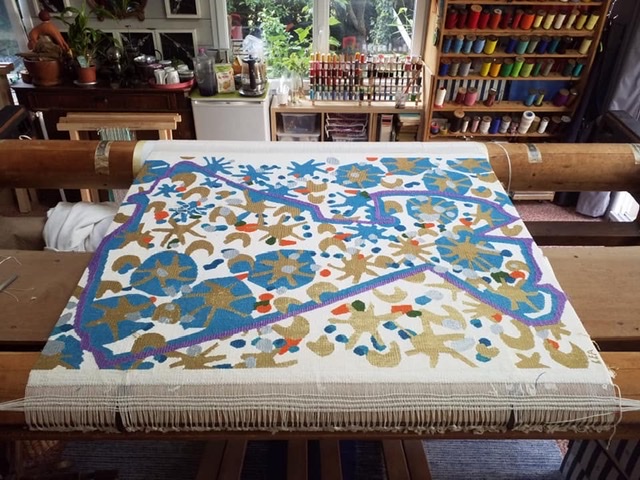
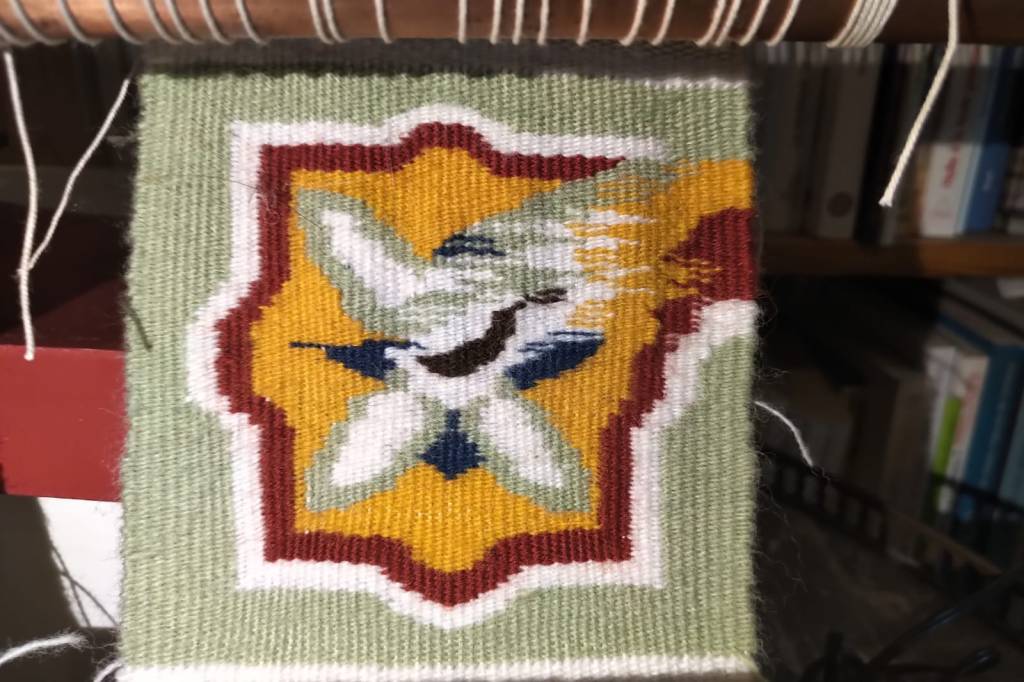
Celina has decided to make a serie of tiles, from Turkish or Spanish or Moroccan books of tiles. She wove this one on her Olivier’s home made loom, but was not so happy of it. Symmetry is hard to manage on a small loom. So as the symmetry was going away, she decided to let it go, and slip, and here’s the result, beautiful!

Celina a décidé de se lancer dans une série inspirée de carreaux turcs, ou marocains ou espagnols. Mais comme elle a rencontré quelques problèmes avec la symétrie du truc, elle a décidé d’accompagner le dérapage, et voilà ce que ça donne: superbe! (C’est le métier construit par Olivier, le Frereche, marque déposée. )